
Blogs
The Future of Solid-State Batteries in Energy Storage Applications

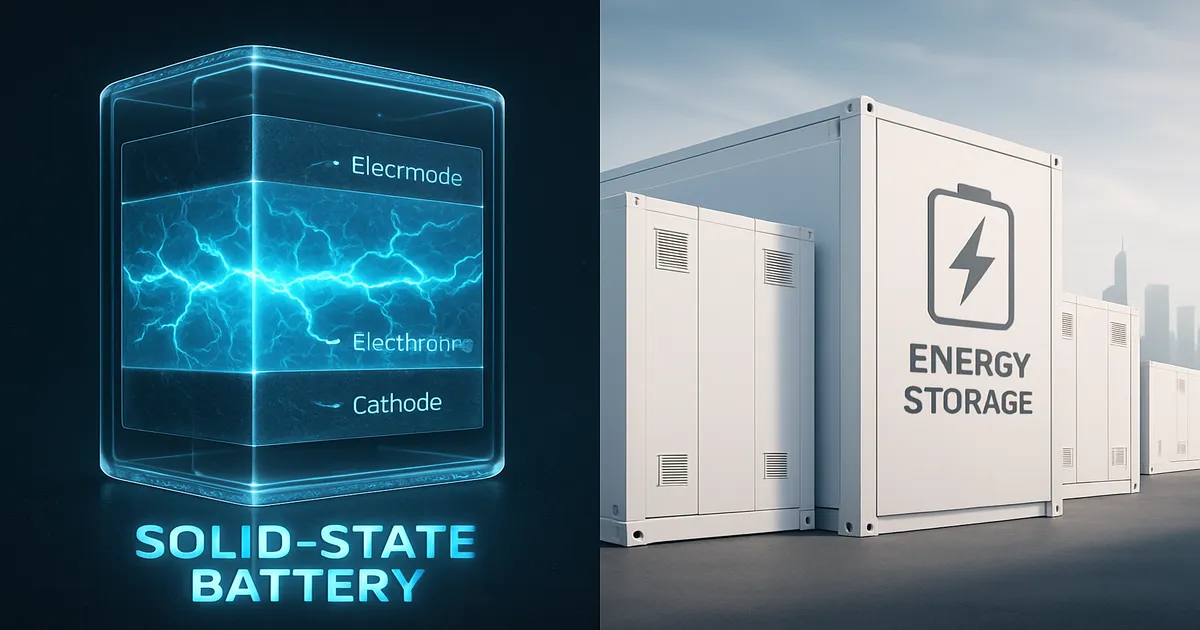
The race to store energy more safely, efficiently, and compactly has led to one of the most promising innovations in power technology: solid-state batteries. Unlike traditional lithium-ion batteries, solid-state technology replaces them with solid materials, unlocking huge potential in safety, energy density, and lifespan. At BOS POWER LLC, we’ve seen firsthand how storage technologies drive renewable integration and advanced test power systems. Let’s explore why solid-state batteries matter and what they mean for the future of energy storage.
What Are Solid-State Batteries?
A solid-state battery is an advanced form of rechargeable battery that uses a solid electrolyte instead of a liquid one. This design change solves many of the safety and performance challenges that conventional lithium-ion batteries face.
The result is a battery that promises:
- Greater energy density (more power stored in a smaller space).
- Improved safety (reduced risk of leaks, fires, or explosions).
- Longer cycle life (more charge-discharge cycles before degradation).
Why Solid-State Batteries Are a Game-Changer
- Safety First: By removing flammable liquid electrolytes, solid-state batteries reduce thermal runaway risks, a key concern in EVs and large-scale storage.
- Energy Efficiency: Higher energy density means vehicles can travel farther and renewable systems can store more power in less space.
- Durability: Longer life cycles make them more cost-effective over time.
- Faster Charging: Solid electrolytes allow quicker charging without overheating.
Applications in Energy Storage
- Electric Vehicles: Automakers are racing to adopt solid-state batteries for extended range and safety.
- Renewable Energy Systems: When paired with Energy Storage Inverters (BNSX-KS/KTL series), solid-state batteries could revolutionize how solar and wind power are stored and delivered.
- Grid-Scale Projects: With their safety and efficiency, they are ideal for urban microgrids and backup power stations.
- Consumer Electronics: Lightweight and compact, they may soon replace lithium-ion in smartphones and laptops.
Challenges to Overcome
While the promise of solid-state batteries is undeniable, there are hurdles to mass adoption:
- Cost of Production: Manufacturing solid electrolytes is still expensive.
- Scalability: Moving from lab prototypes to industrial-scale production requires innovation.
- Material Compatibility: Ensuring stable interfaces between electrodes and solid electrolytes remains a technical challenge.
That’s why we focus on power electronics and test power supplies that prepare industries for integration with future storage technologies. Our DC Bidirectional Power Supplies and Battery Simulators (BD-S) already support testing advanced storage systems.
The Road Ahead
Solid-state batteries represent a paradigm shift in energy storage. As costs decline and technology matures, we’ll see them powering EVs, stabilizing microgrids, and supporting renewables. The transition won’t happen overnight, but with companies like BOS POWER LLC providing the testing and integration platforms, industries can prepare Lithium-Ion Solar Batteries for the change today.
Conclusion
Solid-state batteries are more than a futuristic idea. They are the next chapter in energy storage. With unmatched safety, efficiency, and performance, they will transform everything from EVs to renewable energy systems. At BOS POWER LLC, our expertise in power supplies, inverters, and testing solutions ensures we are ready to support this revolution. Explore our Energy Storage Solutions to see how we help industries embrace the future of batteries.
