
Blogs
What Is the Role of Power Conditioning Systems in Industry?

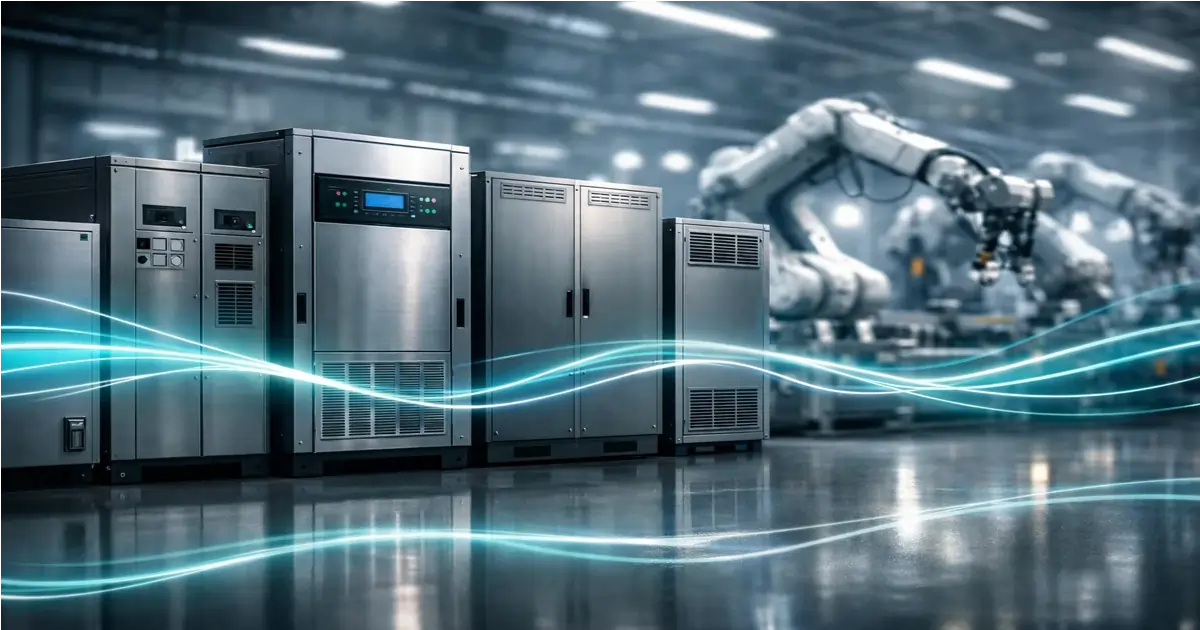
In industrial environments, equipment is expected to run continuously and reliably. Motors, drives, automation systems, and sensitive electronics all depend on stable electrical input. When power quality fluctuates, performance suffers.
This is where Power Conditioning Systems become essential. They improve the quality of electrical power before it reaches critical equipment. Without conditioning, voltage spikes, frequency variations, and harmonic distortion can lead to downtime and expensive repairs.
If you operate or design industrial systems, understanding the role of power conditioning helps you protect your infrastructure and maintain consistent output.
What Power Conditioning Systems Actually Do
At their core, Power Conditioning Systems regulate voltage, filter electrical noise, and stabilize frequency. They ensure that incoming power meets the precise requirements of industrial loads.
These systems can correct voltage sags and surges. They reduce harmonic distortion. They maintain consistent frequency where necessary. By doing this, they create a stable operating environment for machinery and control systems.
Instead of reacting to power problems after damage occurs, conditioning systems prevent those issues from reaching sensitive components.
Protecting Industrial Equipment from Electrical Disturbances
Industrial equipment often operates under heavy loads. Sudden changes in demand can cause voltage fluctuations. External grid disturbances can introduce instability.
Power Conditioning Systems act as a buffer between the grid and your equipment. They absorb irregularities and deliver clean, stable power to downstream systems.
This protection reduces wear on motors and electronic components. It also minimizes unexpected shutdowns that can disrupt production schedules.
In industries where downtime translates directly into financial loss, this layer of protection becomes critical.
Improving Efficiency and Performance
Stable power does more than protect equipment. It improves overall system efficiency. Motors run at consistent speeds. Control systems respond accurately. Energy losses caused by distortion or imbalance are reduced.
By maintaining clean electrical conditions, Power Conditioning Systems help industrial processes operate at their intended performance levels.
Advanced industrial power architectures, such as those supported by BOS-Power, integrate conditioning with conversion and control systems to enhance overall reliability.
Supporting Renewable and Hybrid Systems
Modern industrial facilities increasingly incorporate renewable energy series and energy storage. These systems introduce additional variability into power flow.
Power Conditioning Systems help manage this complexity. They ensure that energy from multiple sources remains synchronized and stable before being distributed to equipment.
As facilities move toward smarter energy management, conditioning systems play a central role in maintaining consistency across hybrid architectures.
Enhancing Compliance and Operational Standards
Industrial environments must meet safety and regulatory standards. Power quality issues can lead to non-compliance, especially in sensitive sectors.
By implementing Power Conditioning Systems, you create a controlled electrical environment that supports compliance requirements and operational standards.
This reduces risk and improves long-term operational stability. Also read about MPPT Solar Charge Controllers.
Why System Integration Is Key
Power conditioning does not operate in isolation. It works alongside converters, inverters, storage systems, and distribution networks.
When properly integrated, conditioning systems support seamless operation across the entire energy chain. Solutions provided by companies like BOS-Power focus on system-level performance because reliable power depends on coordination between components.
A well-integrated system reduces stress, improves predictability, and supports scalable growth.
Conclusion
Power Conditioning Systems play a vital role in industrial environments by stabilizing voltage, filtering disturbances, and protecting critical equipment.
When you ensure high-quality power delivery, you improve reliability, efficiency, and long-term performance. If your operation depends on stable electrical conditions, investing in effective Power Conditioning Systems is not optional. It is foundational. To explore advanced power solutions built for industrial performance, visit BOS-Power and learn how stable power supports industrial success.
