
Blogs
Common Causes of Industrial Power Supply Problems

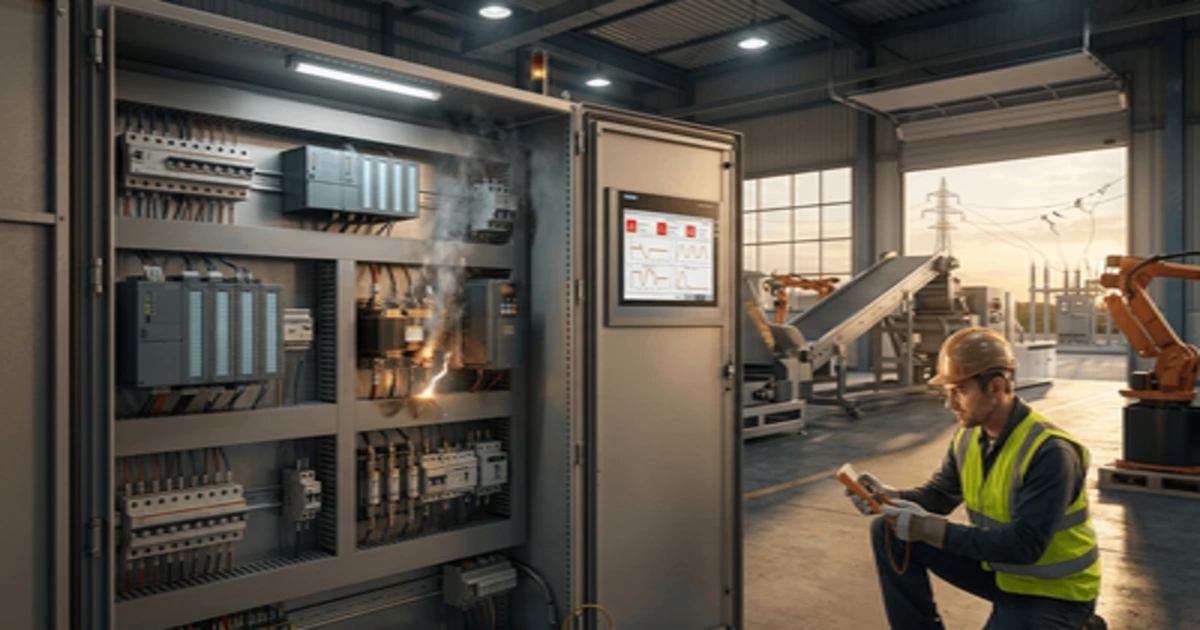
There is nothing quite like the sinking feeling of watching production grind to a halt because of an unexpected electrical fault. One minute, everything is running smoothly, and the next, alarms are sounding, and your team is scrambling to figure out what just happened. If you have been there, you know that industrial power failures rarely give you much warning.
The truth is, most power supply problems do not come out of nowhere. They build up over time, often through small warning signs that get missed until it is too late. In this guide, you will learn about the most common culprits behind industrial power failures, what causes them, and how understanding these issues can help you catch trouble before it shuts down your operation.
Voltage Fluctuations and Instability
One of the most frequent causes of power supply problems in industrial settings is voltage instability. When voltage rises or drops outside the range your equipment is designed for, even briefly, it can trigger shutdowns, trip protective relays, or gradually degrade sensitive components. These fluctuations often come from an overloaded grid, poor connections within your facility, or large equipment switching on and off and pulling huge amounts of current all at once.
Harmonic Distortion From Modern Equipment
Variable frequency drives, LED lighting, and other electronics with non-linear loads have become standard in modern facilities, but they come with a side effect called harmonic distortion. These harmonics distort the clean sine wave your power system relies on, and over time, they can cause overheating in transformers and motors, nuisance tripping, and reduced equipment lifespan. If you are noticing repeated power supply problems that seem to have no obvious external cause, harmonics are worth investigating.
Overheating and Poor Ventilation
Power supplies generate heat as a natural part of converting and regulating electricity, and when that heat has nowhere to go, things start to fail. Dust buildup, blocked vents, failed cooling fans, or simply placing equipment in a room that runs too hot can all push internal temperatures past safe limits. Over time, this kind of thermal stress is one of the quieter but most damaging contributors to power supply problems, since it slowly shortens the lifespan of capacitors and other components long before a sudden failure occurs.
Aging Components and Deferred Maintenance
Capacitors dry out, connections loosen, and insulation degrades. It is a normal part of the lifecycle of any electrical system, but when maintenance gets pushed back again and again, these small issues compound into bigger ones. A facility that skips routine inspections is far more likely to experience sudden power supply problems, often at the worst possible moment, simply because nobody caught the early warning signs of wear and tear.
Grid Disturbances and External Factors
Not every issue originates inside your facility. Utility grid disturbances, including brownouts, surges, and frequency variations, can ripple straight into your equipment, especially if your facility lacks adequate protection or backup systems. Lightning strikes, nearby construction, and even seasonal demand spikes from the surrounding grid can all contribute to power supply problems that seem to strike out of nowhere but are actually rooted in conditions well outside your building.
Solve Your Power Supply Problems With BOS Power
Whether you are dealing with voltage instability, harmonics, overheating, or aging equipment, getting to the root cause of your power supply problems is the first step toward a more reliable operation. BOS Power has spent over two decades engineering AC and DC power supplies, programmable power systems, and industrial-grade solutions built to handle demanding environments. Reach out to BOS Power today and take the guesswork out of solving your power supply problems for good.
