
Blogs
How to Maintain Energy Efficiency in Manufacturing?

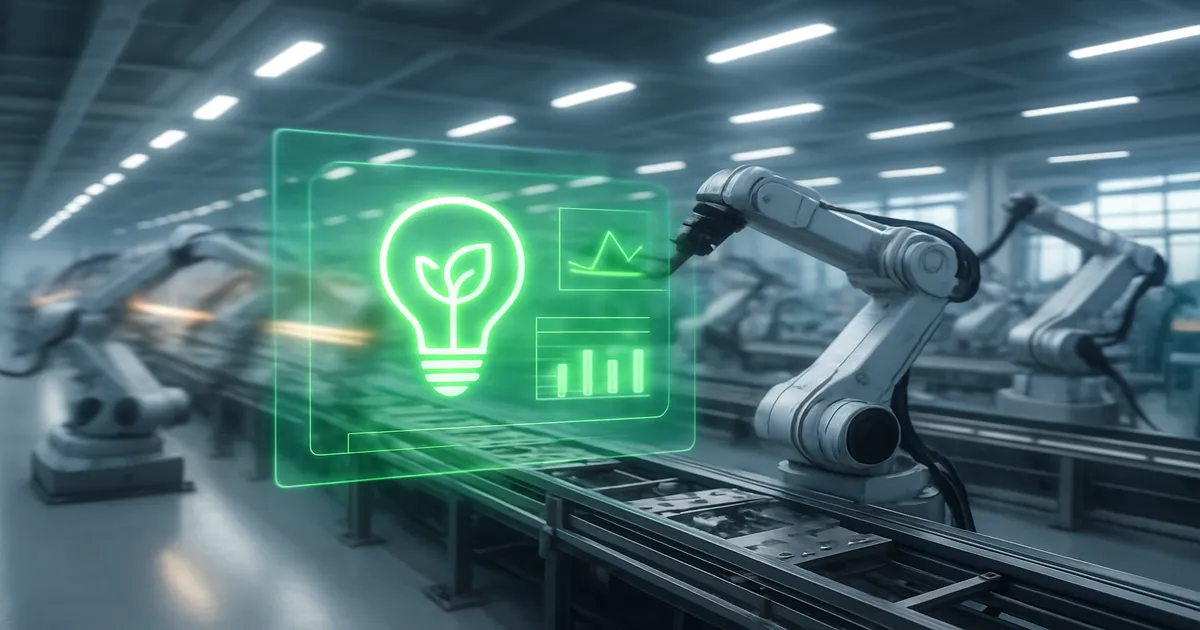
If you run or manage a manufacturing operation, you already know energy is not just a utility cost. It is a performance factor. When energy use is inefficient, you feel it in higher bills, unstable processes, and equipment stress. When systems are optimized, production runs smoothly, and costs stay more predictable.
That is why Energy Efficiency in Manufacturing is no longer a side project. It is part of keeping your operation competitive. You are not only saving money. You are improving reliability and creating a more stable production environment.
Start With Understanding Where Your Energy Goes
Before you improve efficiency, you need a clear picture of what is consuming power. In most facilities, motors, compressed air, heating, ventilation, and process equipment take the biggest share. Lighting and office loads matter too, but they are rarely the main drivers.
The key is recognizing that energy waste often hides in plain sight. A motor running at full speed when it does not need to. Compressed air leaks that never get fixed. Equipment that heats up because components are struggling. These issues are not always dramatic. They are simply expensive over time.
When you focus on energy efficiency, you start by mapping energy usage and spotting patterns that repeat every day.
Improve Control Over Motors and Drives
Motors are the heartbeat of manufacturing. They run conveyors, pumps, fans, and automated systems. Many facilities still operate motors in a fixed way, even when demand changes. That creates waste.
Better control systems allow motors to match output to the real load. Speed control and smarter power electronics help reduce unnecessary draw. When you reduce excessive startup current and smooth motor operation, you also reduce mechanical stress.
If your facility depends on stable performance and efficient conversion, power solutions from providers like BOS Power are often part of system-level designs that prioritize control, stability, and real-world operating efficiency. Also read about Load Forecasting.
Maintenance Is an Efficiency Strategy
Energy efficiency is not only about upgrading equipment. It is also about keeping your existing systems operating properly. Poor maintenance leads to friction, heat, leaks, and performance loss. Each of those issues increases energy consumption.
You can improve energy efficiency in manufacturing by focusing on routine actions that prevent waste. That includes checking bearings, aligning motors, cleaning filters, and maintaining power connections. Even simple electrical issues, such as loose terminals, can increase resistance and heat, which wastes energy and reduces reliability.
When maintenance is consistent, efficiency becomes more stable. You avoid the slow decline that often goes unnoticed until costs spike or failures occur.
Reduce Peak Demand and Energy Waste
Energy use is not only measured in total consumption. In many industrial settings, high peak demand can increase costs sharply. If several large systems run at the same time, you create spikes that raise demand charges and stress equipment.
Shifting loads and staggering high-energy processes can help. So can using energy storage systems and intelligent control systems that smooth demand. When you reduce peaks, you improve overall system stability.
This is another reason why energy efficiency is linked to energy planning. Managing how and when energy is used makes operating your entire facility easier.
Build Efficiency Into Expansion Plans
Efficiency should not be an afterthought when you expand or add new lines. If you add equipment without considering power distribution, conversion, and control, you may lock in waste for years.
Planning for efficiency means selecting equipment that matches real loads, ensuring power quality, and using scalable architectures that can grow without creating instability. Companies like BOS Power often support these types of future-ready designs through advanced power conversion and system integration solutions.
Conclusion
Energy Efficiency in Manufacturing is not about cutting corners. It is about running your facility smarter. When you understand where energy goes, improve control, maintain equipment, manage peaks, and plan strategically, you reduce waste without sacrificing output.
If you want to strengthen your operations while keeping costs under control, start improving energy efficacy in manufacturing today. To explore power technologies designed for stable, efficient industrial systems, visit BOS Power and see how modern power solutions support high-performance manufacturing.
