
Blogs
What is Load Forecasting in Power System?

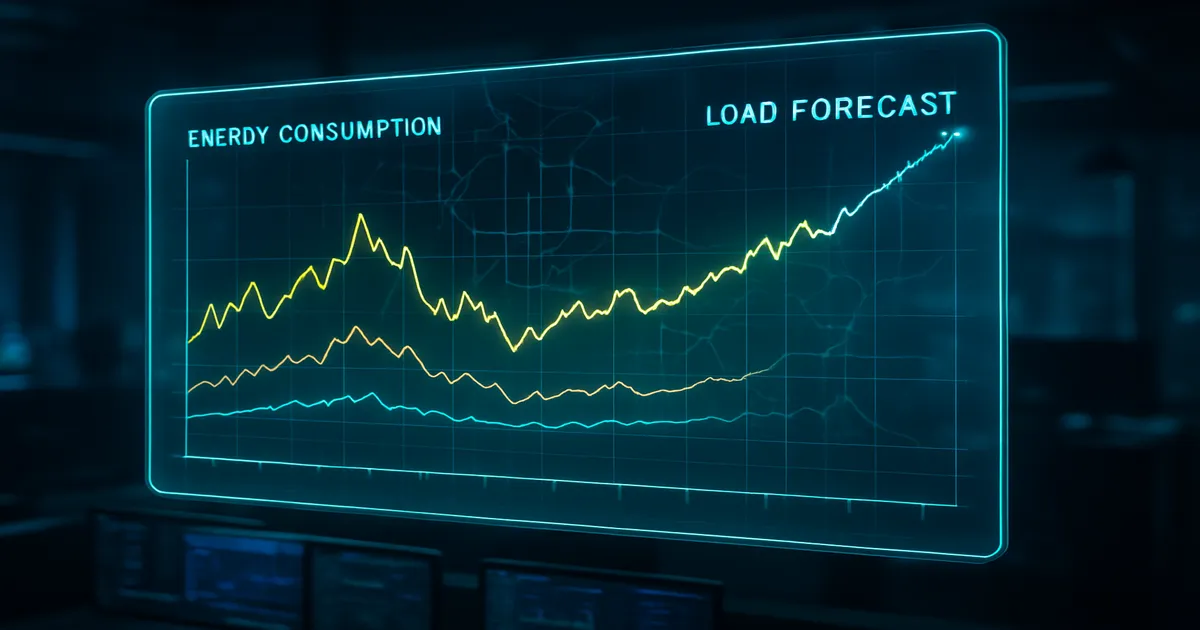
Electricity is different from most products. You cannot store huge amounts of it easily on the grid and deliver it later without planning. That means supply and demand must stay balanced all the time. If demand rises and supply does not follow, you risk instability. If supply is too high, you waste resources.
This is why Load Forecasting plays such an important role in power systems. It helps predict how much electricity users will need over a specific period. When forecasting is accurate, utilities and energy operators can plan generation, manage networks, and keep service stable.
If you manage an industrial facility or rely on stable energy for operations, load forecasting affects you too. Better forecasting leads to fewer outages, smarter pricing, and more reliable infrastructure.
What Load Forecasting Actually Means
It is the process of predicting future electricity demand based on data and patterns. It uses historical consumption, weather conditions, time of day, seasonality, and economic activity to estimate how demand will change.
Forecasting can be short-term, such as predicting the next few hours or days. It can also be long-term, such as predicting demand growth over the years. Each type supports different decisions.
Short-term forecasting helps manage daily operations and grid stability. Long-term forecasting helps plan new infrastructure and investment.
How Load Forecasting Works in Practice
To understand how Load Forecasting works, picture a system that studies patterns. Demand tends to rise at certain hours. It changes with temperature because heating and cooling loads increase. It also changes during holidays, weekends, and industrial shifts.
Forecasting models use these patterns and combine them with real-time inputs. Modern forecasting often relies on analytics and machine learning, especially when grids include renewable energy. Solar and wind introduce variability, so forecasting needs to consider generation patterns as well as load demand.
When forecasting is done well, operators can schedule generation more efficiently and avoid sudden shortages or oversupply.
Why Load Forecasting Impacts Reliability and Cost
If forecasting is wrong, the consequences can be serious. Underestimating demand can cause stress on the grid, leading to outages or emergency generation that costs more. Overestimating demand can lead to unnecessary generation or infrastructure planning, thereby increasing costs.
Accurate forecasting improves reliability by helping systems prepare for peaks and respond more quickly to changes. It also supports cost control by reducing waste and enabling better planning.
For you, this can translate into more stable service and fewer disruptions. It can also influence how utilities design demand-response programs and time-based pricing structures.
Load Forecasting and the Rise of Smarter Energy Systems
Energy Storage Systems are changing. Industrial loads are becoming more automated. Homes now include EV charging and smart appliances. Renewable energy is growing fast. All of this makes demand patterns less predictable.
That is why Load Forecasting is evolving. It now includes more granular data and smarter models. Forecasting is not only about predicting totals anymore. It is about predicting how demand behaves across locations, time periods, and user groups.
Power conversion, storage, and control solutions from companies like BOS Power support modern grid and microgrid systems that rely on stable planning and intelligent energy flow. These technologies help reduce the impact of uncertainty by making systems more responsive.
How Load Forecasting Helps You Plan Better
If you operate a facility, forecasting helps you plan load schedules, manage peak demand, and evaluate backup needs. It also supports energy efficiency and sustainability goals by helping you align operations with grid behavior.
Even if you do not run the grid, you still benefit when forecasting is accurate. It improves stability and helps avoid sudden disruptions that affect production and daily operations. Also read about Energy Efficiency in Manufacturing.
Conclusion
Load Forecasting is one of the most important tools used to keep power systems stable, efficient, and cost-effective. When demand is predicted accurately, energy systems can meet real needs without waste or risk.
If you want to build smarter energy planning into your operations, start paying attention to load forecasting and how demand prediction shapes reliability and pricing. To explore advanced power solutions that support stable energy systems and intelligent control, visit BOS Power and see how modern technologies support better planning through load forecasting.
