
Blogs
How does a Bidirectional Inverter Work?

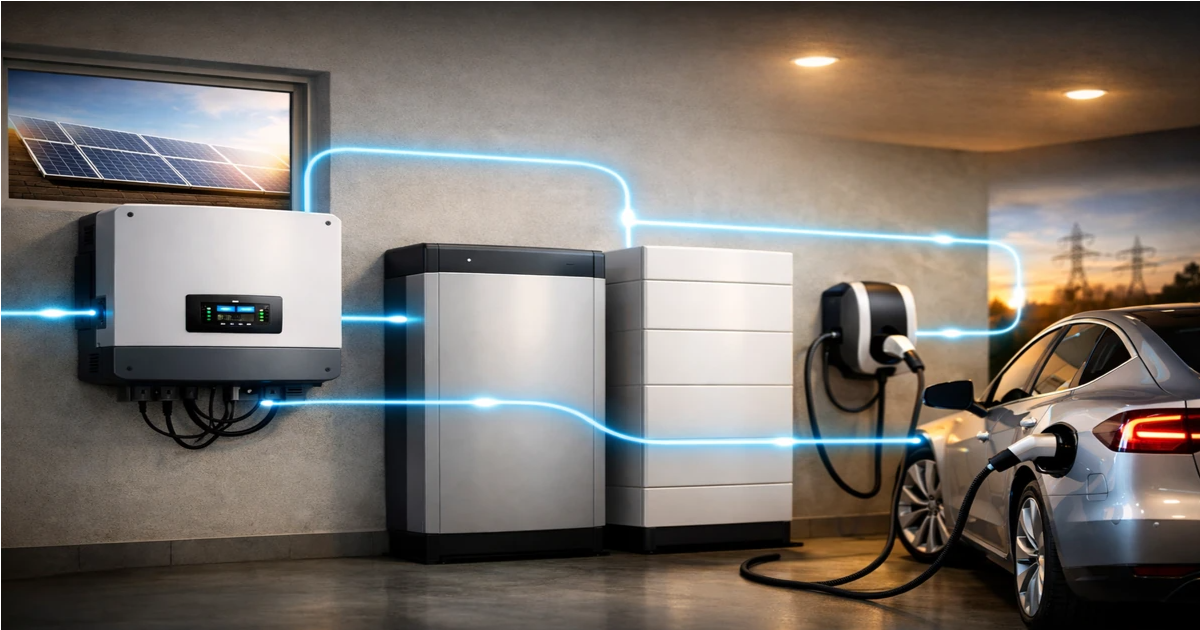
Energy systems are changing fast. You are no longer just consuming electricity. You may also be storing it, generating it, or sending it back to the grid. This shift is the reason the bidirectional inverter has become so important.
In simple terms, this inverter allows electricity to move in two directions. It can convert DC power from batteries into AC power for use, and it can also convert AC power back into DC to charge batteries. This two-way control makes modern energy systems more flexible and efficient.
If you are working with energy storage, renewable power, or hybrid systems, understanding how this inverter works helps you make smarter system decisions.
What a Bidirectional Inverter Actually Does
A bidirectional inverter performs two core functions. First, it converts DC electricity from batteries or storage systems into AC electricity that can power equipment or feed into the grid. Second, it does the reverse by converting AC electricity into DC so energy can be stored.
What makes it different from a standard inverter is the control. It actively manages when energy should be charged and when it should be discharged. This decision is based on system demand, grid conditions, or energy availability.
Because of this control, these inverters are commonly used in energy storage systems, microgrids, and hybrid power setups.
How Power Conversion Works Inside the System
Inside a bidirectional inverter, power electronics switches idly to shape the electrical current. When delivering power, the inverter creates a stable AC waveform that matches voltage and frequency requirements. When charging, it carefully regulates current and voltage to protect the battery.
This process is managed by advanced control logic. Sensors monitor voltage, current, and system conditions in real time. Based on that data, the inverter adjusts its behavior instantly.
This real-time response is what allows energy to move smoothly between storage, loads, and the grid without causing instability.
Why Bidirectional Inverters Matter for Energy Storage
Energy storage only becomes useful when you can control it effectively. A bidirectional inverter gives you that control. It decides when energy should be stored and when it should be released.
For example, excess solar energy during the day can be stored instead of being wasted. Later, that energy can be used when demand is higher or generation drops. This improves efficiency and reduces reliance on external power sources.
In industrial and commercial systems, this control helps manage peak shaving and stabilize operations.
Supporting Grid Stability and Hybrid Systems
Modern grids face fluctuating demand and increasing renewable input. These inverters help balance these changes by responding quickly.
When the grid experiences stress, stored energy can be released to support stability. When the grid is stable or energy is abundant, storage can recharge. This fast response makes bidirectional inverters valuable in grid-connected and hybrid systems.
Companies like BOS POWER LLC support energy systems that rely on controlled power flow and stable conversion, which is why bidirectional inverter technology plays a central role in modern power architectures.
Where Bidirectional Inverters Are Commonly Used
You will find bidirectional inverters in energy storage systems, microgrids, renewable installations, and industrial power setups. They are also used in marine and off-grid applications where energy must be managed carefully.
As energy systems become more decentralized, the demand for two-way power control continues to grow. These inverters are a key enabler of that flexibility.
Why This Technology Is Becoming Standard
Energy systems today are no longer one-directional. You generate, store, consume, and sometimes export power. Without two-way conversion, these systems cannot operate efficiently.
A bidirectional energy storage inverter brings control, stability, and adaptability into one device. It allows energy systems to respond instead of react.
Conclusion
A bidirectional inverter works by managing two-way power flow between storage, loads, and the grid. It converts power efficiently, responds quickly, and enables smarter energy use.
If you are building or upgrading an energy system, understanding how these inverters work helps you plan for efficiency and long-term reliability. To explore power solutions designed for modern energy systems, visit BOS POWER LLC and learn how controlled power conversion supports real-world applications.
