
Blogs
How Does a Programmable DC Power Supply Work?

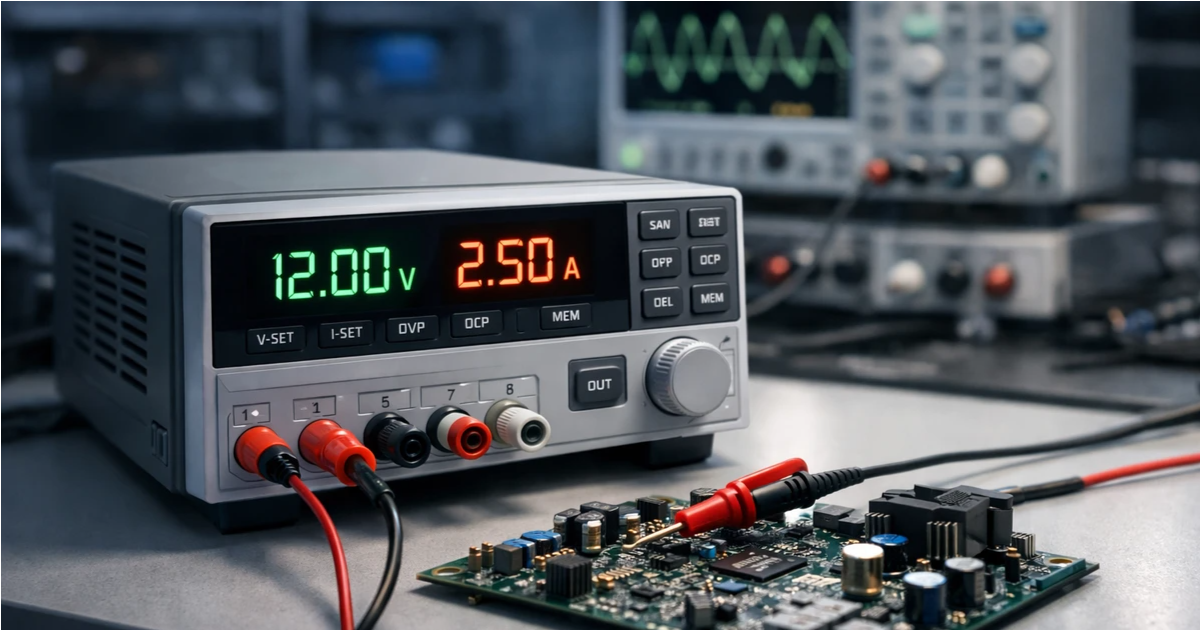
When you work with electronic systems, testing environments, or industrial equipment, stable DC power is not enough. You often need control. You need flexibility. You need precision. That is where a Programmable DC Power Supply becomes important.
Unlike a fixed-output supply, a programmable unit allows you to adjust voltage, current, and sometimes timing parameters. This makes it ideal for testing, development, automation, and advanced power applications.
If your system needs repeatable results and controlled conditions, understanding how programmable DC supplies work helps you make better decisions.
What a Programmable DC Power Supply Actually Does
At its core, a DC Power Supply converts AC input power into a regulated DC output. What makes it different is that you can control its output digitally.
You can set specific voltage levels. You can limit the current. You can create test sequences that change output automatically. Instead of manually adjusting knobs, you define operating conditions through a control interface.
This level of control allows you to simulate real operating environments. It also protects devices under test by preventing overload conditions.
How Voltage and Current Regulation Works
Inside a programmable supply, power conversion and regulation circuits work together. The system continuously monitors output voltage and current. If the load changes, the supply adjusts in real time to maintain the programmed value.
This feedback loop is essential. Without it, voltage could drift when demand changes. A Programmable DC Power Supply uses internal control circuits to ensure a stable output even when loads fluctuate.
Many units also allow you to switch between constant voltage mode and constant current mode. This flexibility is useful in battery testing, component validation, and system integration work.
Also read about Isolated vs Non-Isolated Power Supply.
Why Precision Is So Important
In testing and development, precision matters. Small voltage differences can affect results. Inconsistent output can lead to unreliable data.
A DC Power Supply provides accurate and repeatable settings. This is critical when validating electronic designs, testing industrial equipment, or simulating field conditions.
Precision also improves safety. Current limiting features prevent excessive draw that could damage sensitive components.
Where Programmable DC Power Supplies Are Used
You will commonly find programmable DC supplies in laboratories, manufacturing lines, and industrial environments. Engineers use them to test circuit boards, validate power systems, and verify compliance with specifications.
In industrial settings, programmable DC supplies support automation systems, motor controls, and advanced electronics that require stable power under varying conditions.
Solutions designed for demanding environments, such as those supported by BOS-Power, focus on reliability, accuracy, and integration with broader power architectures.
Integration and Remote Control
Modern systems often require remote operation. Many programmable supplies include communication interfaces that allow you to control output from a computer or automation system.
This capability allows you to automate test sequences and monitor performance in real time. It also reduces manual intervention and improves efficiency in production environments.
When selecting a programmable supply, communication features can be just as important as output ratings.
Why Choosing the Right Supply Matters
Not all programmable supplies are designed for the same applications. Some focus on laboratory precision. Others are built for high-power industrial use.
You should consider output range, response time, protection features, and operating environment. Matching these factors to your actual use case ensures long-term reliability.
A properly selected DC Power Supply supports stable operation, accurate testing, and consistent system performance.
Conclusion
A Programmable DC Power Supply works by converting AC power into a controlled DC output that you can adjust and monitor precisely. It allows you to simulate conditions, protect equipment, and ensure reliable results.
If your application requires stable and flexible DC power, investing in the right programmable solution makes a measurable difference. To explore power solutions designed for demanding industrial and testing environments, visit BOS-Power and learn how controlled power supports modern systems.
