
Blogs
A Comprehensive Introduction to Microgrid Power Systems

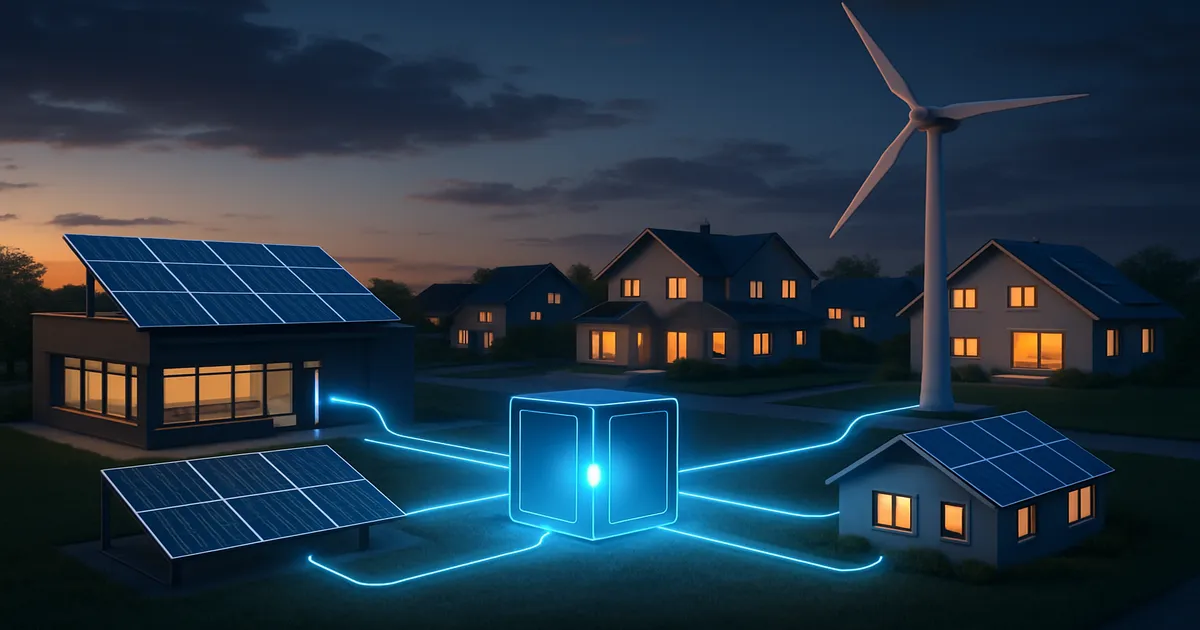
Imagine a community, factory, or hospital that keeps running smoothly even when the main grid goes down. That’s the power of a microgrid power system. More than just a buzzword, microgrids are shaping the future of reliable, renewable, and resilient energy. At BOS POWER LLC, we’ve been at the forefront of developing test power supplies and new energy technologies, so we know how critical microgrids are for both today and tomorrow. Let’s explore what microgrids are, how they work, and why they are becoming essential for energy independence worldwide.
What is a Microgrid Power System?
A microgrid power system is a localized grid that can operate independently or in coordination with the main grid. It combines energy sources (like solar panels, wind turbines, or diesel generators), storage (such as batteries), and intelligent controls to provide stable and efficient power.
Unlike the traditional grid, which can be vulnerable to blackouts or transmission issues, a microgrid delivers energy resilience by keeping critical operations running.
We support these systems through technologies like Energy Storage Inverters (BNSX Series), PV MPPT Controllers (BSDM), and Integrated PV-Storage-Charging Systems.
Key Components of a Microgrid
- Power Generation: Solar PV, wind, fuel cells, or even conventional generators.
- Energy Storage: Lithium-ion batteries, flow batteries, or other advanced storage.
- Power Conversion Systems: Inverters and DC-DC converters that ensure energy is usable and stable.
- Control & Management: Energy Management Systems (EMS) that balance supply and demand in real-time.
Our EMS solutions ensure microgrids function with maximum efficiency and seamless integration.
Benefits of Microgrid Power Systems
- Resilience and Reliability: Microgrids provide backup power during outages, keeping essential services online.
- Sustainability: Integration with renewables reduces carbon footprint and reliance on fossil fuels.
- Cost Savings: By using local generation and smart management, microgrids optimize energy usage and reduce waste.
- Scalability: From small communities to large industrial parks, microgrids can be sized to fit.
Real-World Applications
- Hospitals: Guaranteeing uninterrupted power for critical care.
- Universities and Campuses: Combining renewable generation with storage for sustainability goals.
- Industrial Parks: Ensuring operational continuity during peak demand or outages.
- Remote Locations: Providing energy where grid connections are weak or unavailable.
BOS POWER LLC has supported energy projects ranging from integrated PV-storage-charging stations to large-scale inverter systems, making us a trusted partner in this transition.
The Future of Microgrids
The global shift toward renewable energy and decentralized power makes microgrids more relevant than ever. Governments and enterprises alike are investing in microgrid solutions to ensure energy security and sustainability. With our portfolio of inverters, DC/DC converters, EMS, and storage systems, we are helping shape that future by enabling reliable, efficient, and scalable solutions.
Conclusion
A microgrid power system is more than a backup plan. It’s a blueprint for the future of energy. Whether you are focused on resilience, sustainability, or cost efficiency, microgrids offer clear advantages. At BOS POWER LLC, our technologies, from energy storage inverters to EMS platforms, are designed to empower these systems with unmatched reliability. Explore our New Energy Solutions to see how we can support your energy independence journey.
Also Read AC Power Supply vs DC Power Supply
