
Blogs
What are Different types of Electrical Testers?

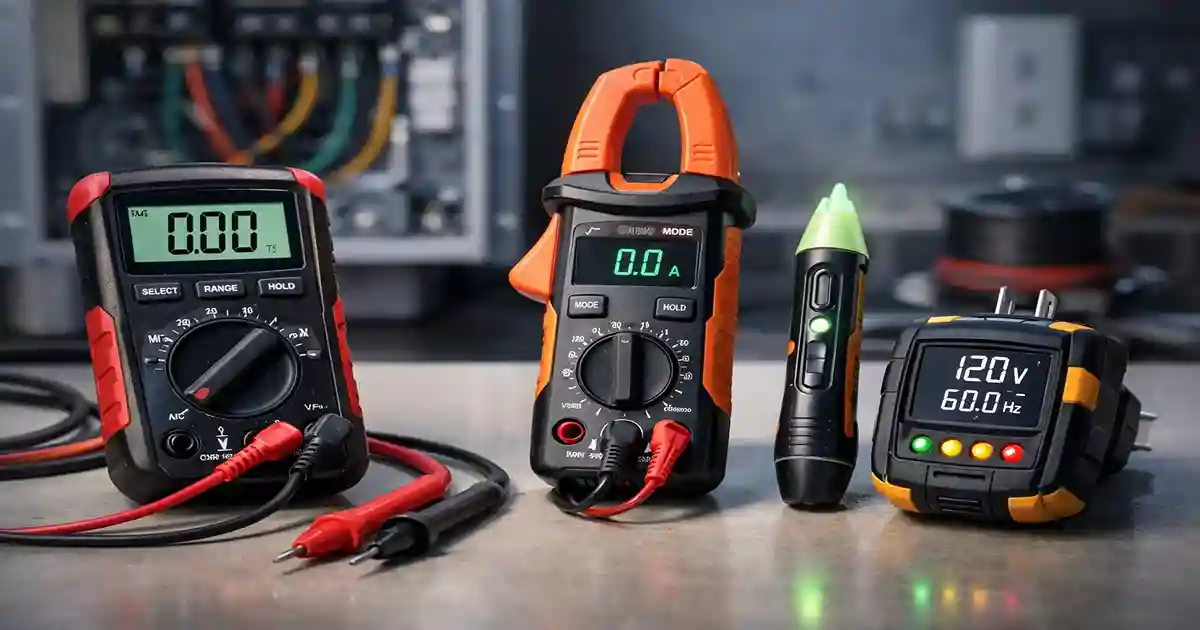
When you work with electricity, safety and accuracy are everything. Before installing equipment, troubleshooting circuits, or performing maintenance, you need the right tools to understand what is happening inside the system. This is where understanding the types of electrical testers becomes important.
Electrical testers are designed to measure voltage, detect current flow, and identify faults in electrical systems. Whether you are working on household wiring or industrial power infrastructure, these tools help you confirm that equipment is operating safely and correctly.
Understanding the different types of electrical testers available today helps you select the right device for each task and prevents potential electrical hazards.
Why Electrical Testers Matter
Electricity is invisible. Without testing equipment, it is difficult to determine whether a wire is live, a circuit is overloaded, or a component is malfunctioning.
Different testers are designed to measure specific electrical characteristics. Some testers detect voltage, while others measure resistance, current flow, or circuit continuity.
These tools are used by electricians, engineers, maintenance technicians, and industrial operators. They help ensure electrical systems operate safely and efficiently.
Organizations working with advanced power systems, including companies such as BOS Power, rely on accurate electrical testing when designing and maintaining power infrastructure.
Voltage Testers
Voltage testers are among the most commonly used electrical tools. They help you determine whether electricity is present in a wire or outlet.
A non-contact voltage tester can detect voltage without touching the conductor directly. This makes it a convenient tool for quick safety checks.
When reviewing the types of electrical testers, voltage testers are often the first device electricians use before working on a circuit.
These tools help prevent accidental electrical shock by confirming whether a system is energized. Also read about Cold Ironing.
Multimeters
Multimeters are versatile diagnostic tools that combine several testing functions into one device. They can measure voltage, current, and resistance.
Because of their versatility, multimeters are among the most commonly used electrical testers in both residential and industrial settings.
Technicians often use digital multimeters to troubleshoot equipment, verify electrical connections, and measure power system performance.
Modern electrical infrastructure relies heavily on precise measurement tools like multimeters to maintain stable operation.
Clamp Meters
Clamp meters are designed to measure electrical current without breaking the circuit. The device clamps around a conductor and detects the magnetic field generated by the flowing current.
This feature allows technicians to measure current safely and quickly. Clamp meters are commonly used in industrial facilities where power systems operate under heavy loads.
Among the various types of electrical testers, clamp meters are especially useful for diagnosing motor circuits and large electrical panels.
Circuit Testers
Circuit testers are simple tools that confirm whether electricity is present in a socket or wiring system. They are commonly used during installation and troubleshooting tasks.
Although simple in design, circuit testers continue to be among the most practical tools for verifying electrical connections.
In industrial environments, these tools are often used alongside more advanced diagnostic equipment to ensure system reliability.
Companies developing complex electrical systems, including BOS Power, depend on accurate testing methods to validate equipment performance and maintain safe operations.
Conclusion
Understanding the different types of electrical testers helps you work more safely and efficiently with electrical systems. Voltage testers, multimeters, clamp meters, and circuit testers each serve a specific purpose in diagnosing and maintaining electrical infrastructure.
By choosing the right testing tool for your application, you can identify problems faster, protect equipment, and ensure electrical systems operate reliably.
As electrical technology continues to evolve, accurate testing remains one of the most important steps in maintaining safe and efficient power systems.
