
Blogs
Voltage Sag vs Voltage Swell: What’s the Difference?

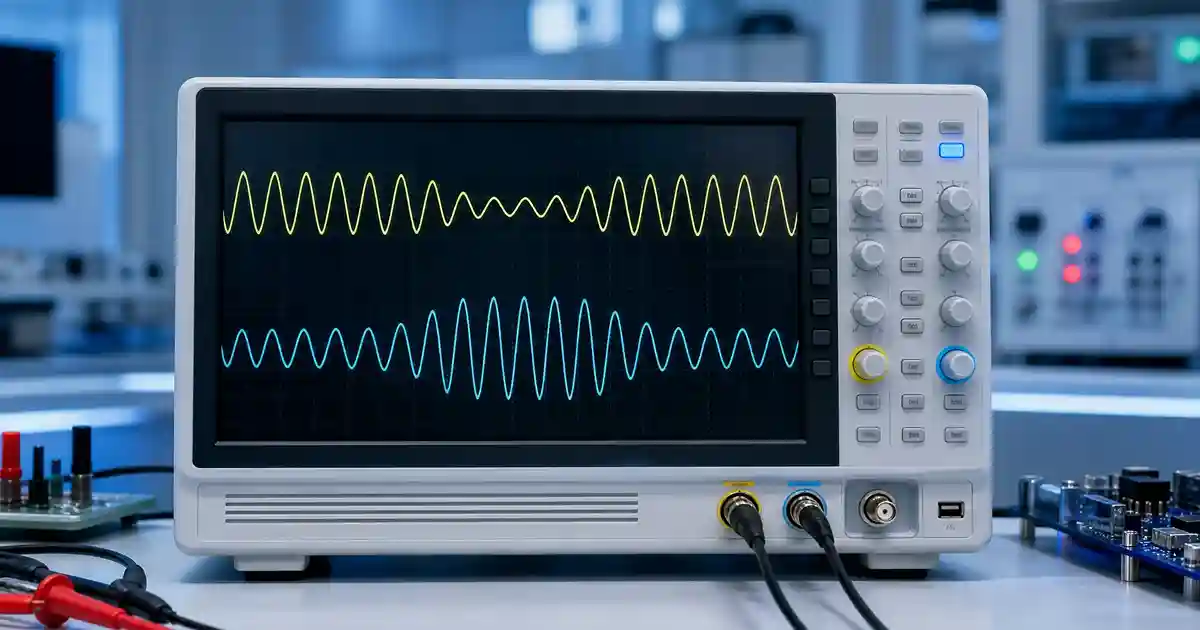
If you are working with electrical systems, you have probably noticed that power is not always perfectly stable. Even small fluctuations can affect performance, especially when you are dealing with sensitive equipment.
Two of the most common issues are Voltage Sag vs. Voltage Swell.
They sound similar, but they behave very differently. Understanding the difference can help you protect your systems and avoid costly downtime.
What is a Voltage Sag?
Voltage sag happens when the voltage level drops below its normal range for a short period.
This usually occurs when there is a sudden increase in load. For example, when large motors start up, they draw a high amount of current, which causes a temporary dip in voltage.
For you, this might show up as dimming lights or equipment slowing down unexpectedly.
Even though the drop is brief, it can disrupt operations, especially in industrial or testing environments.
What Is Voltage Swell?
Voltage swell is the opposite of sag. It happens when the voltage rises above its normal level.
This can occur when large loads are suddenly switched off. The reduction in demand causes the voltage to spike for a short time.
While it may not seem serious at first, voltage swell can damage equipment over time. Sensitive electronics are particularly vulnerable to these spikes.
When comparing Voltage Sag vs. Voltage Swell, the key difference lies in direction. One drops below normal levels, while the other rises above them.
Why These Fluctuations Matter
You might think short-term changes do not have a big impact, but they can cause real problems.
Repeated voltage sag can lead to equipment malfunction, data errors, or even system shutdowns. On the other hand, voltage swell can stress components and reduce their lifespan.
If you are running industrial systems, testing environments, or energy solutions, maintaining stable voltage becomes critical.
This is where proper power conditioning and system design come into play.
Companies like BOS Power focus on delivering systems that help manage these fluctuations effectively, ensuring consistent performance across applications.
How to Protect Your System
Managing voltage fluctuations starts with understanding your load behavior.
If your system frequently experiences large load changes, you are more likely to see these issues. Installing the right equipment, such as voltage regulators or advanced power supplies, can help maintain stability.
Monitoring is equally important. When you can detect patterns in voltage variation, you can take preventive steps before problems occur.
Understanding Voltage Sag vs. Voltage Swell allows you to design systems that are more resilient and better prepared for real-world conditions.
The Role of Modern Power Systems
Modern power systems are designed to handle fluctuations more effectively than ever before.
Advanced control systems can respond quickly to changes in load and adjust output to maintain stable voltage. This reduces the impact of both sag and swell.
If you are using solutions from BOS Power, you benefit from systems that are built to maintain consistent power quality even under varying conditions.
Conclusion
Understanding Voltage Sag vs. Voltage Swell gives you a clearer picture of how power fluctuations affect your systems. One causes a drop in voltage. The other causes a rise. Both can impact performance if not managed properly. By identifying these issues early and using the right solutions, you can protect your equipment and keep your operations running smoothly. Also read about Black Start Capability.
