
Blogs
What Causes Power Surges in a House?

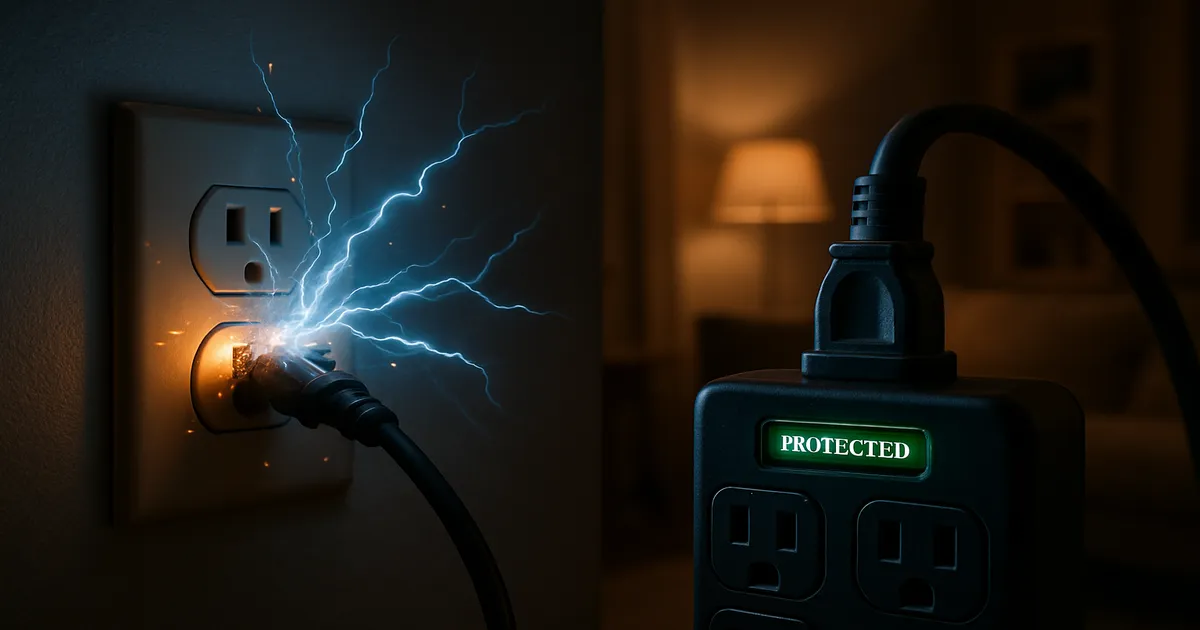
You may assume your home’s electricity is always steady, but in reality, it is constantly changing. Voltage can rise and fall in very short bursts. When it rises suddenly above normal levels, you experience what is known as a power surge. Understanding what causes power surges helps you protect your electronics and avoid long-term damage.
Power surges are not rare events. Many happen quietly and go unnoticed. Over time, these small surges can weaken appliances, shorten equipment life, and lead to unexpected failures.
What Causes Power Surges Inside Your Home
One of the most common causes of power surges is inside your own home. Large appliances such as air conditioners, refrigerators, and washing machines draw a lot of power when they switch on and off. This sudden demand creates brief voltage spikes in your electrical system.
Faulty wiring is another common cause. Loose connections, aging cables, or improperly installed outlets can interrupt the smooth flow of electricity. When current tries to compensate, it can create a surge.
Even small devices can contribute. If many electronics are connected to the same circuit, the combined load can cause fluctuations that lead to minor surges throughout the house.
External Causes of Power Surges
Not all surges start inside your home. In fact, some of the most powerful ones come from outside. Lightning strikes are the most well-known example. A nearby strike can send a surge through power lines and into homes within seconds.
Utility grid operations are another factor. When power companies switch equipment, restore service after outages, or experience faults, voltage levels can shift quickly. These changes often travel down distribution lines and into residential systems.
Understanding what causes power surges at the grid level explains why surges can occur even when your home wiring is in perfect condition.
How Power Surges Damage Electronics
Electronics are designed to operate within a narrow voltage range. When a surge pushes voltage beyond that range, internal components heat up or break down. Sometimes the damage is immediate. Other times it is gradual.
Repeated small surges slowly degrade circuits. You may notice devices failing earlier than expected or behaving inconsistently. This hidden damage is often more costly than a single visible failure.
Sensitive devices such as computers, routers, smart home systems, and entertainment equipment are especially vulnerable to surges. There is a breakdown for this in AC Power Supply Series.
How You Can Reduce the Risk of Power Surges
Knowing what causes power surges gives you the ability to reduce their impact. One effective approach is improving surge protection at the electrical panel and at key outlets. This helps divert excess voltage away from sensitive equipment.
Maintaining proper wiring also matters. Regular inspections can identify loose connections or aging components before they cause problems. Balancing loads across circuits can also reduce internal surge activity.
For homes that rely on advanced electronics or backup power systems, professional-grade power protection solutions can add another layer of Electrical Safety Precautions. Providers like BOS Power design power systems and protection technologies that focus on voltage stability and long-term reliability.
Why Surge Awareness Matters
Power surges might occur in just a fraction of a second, but their impacts can persist for years. Knowing what sources power surges enable you to take preventative measures rather than merely responding to equipment failures.
By improving surge protection and power stability, you protect your investment and reduce the risk of unexpected downtime at home.
Conclusion
What causes power surges is not a mystery once you understand how electricity behaves inside and outside your home. Appliances, wiring, weather, and grid activity all play a role.
If you want to keep your electronics safe and your power stable, start by addressing surge risks early. To explore advanced power protection and stability solutions, visit BOS Power and learn how modern power technologies help protect systems from everyday electrical disturbances.
