
Blogs
Why Redundant Power Supply Is Crucial in Industrial Settings

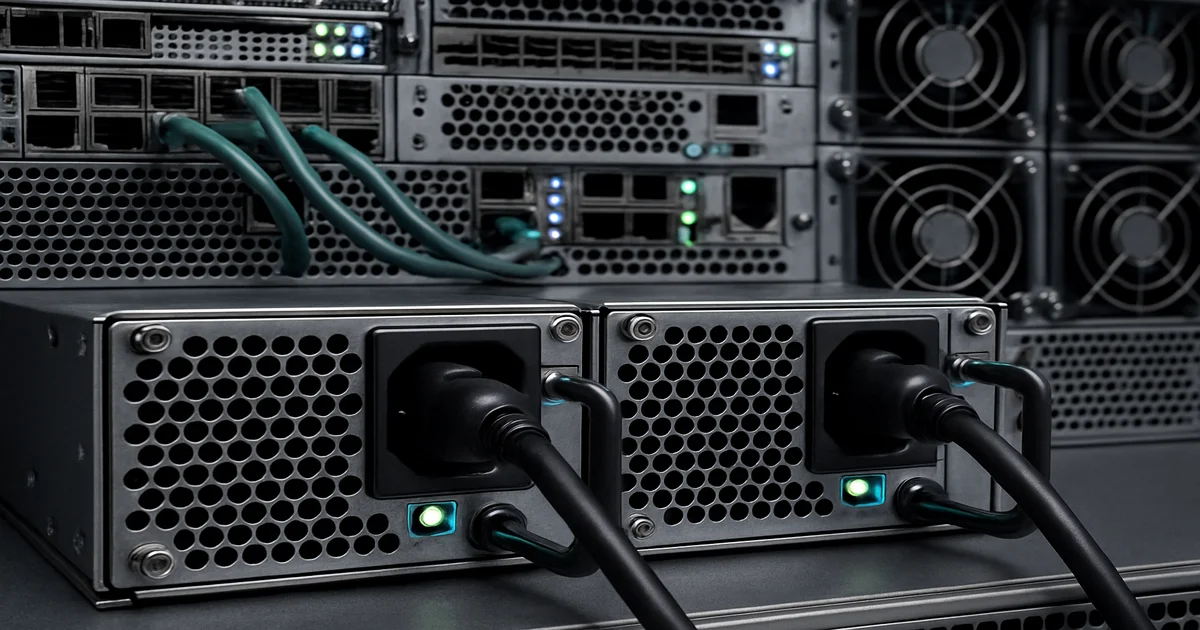
In industrial environments, even a momentary power interruption can have enormous consequences, from halted production lines to damaged equipment or lost data. That’s why many modern facilities rely on redundant power supply systems. These setups ensure continuous power, even if one source fails. In other words, redundancy isn’t a luxury; it’s a necessity. At BOS Power, we understand the importance of reliability and design systems that keep operations running when it matters most.
What Is a Redundant Power Supply?
A redundant power supply is a configuration where multiple power sources feed a single system. If one source fails, the other automatically takes over, ensuring that connected equipment continues operating without interruption.
This setup is commonly found in mission-critical environments such as:
- Industrial automation systems
- Data centers and control rooms
- Telecommunication infrastructure
- Medical and laboratory equipment
- Power testing and simulation facilities
Essentially, it’s an insurance policy for uptime, because every second of downtime costs time, resources, and often, customer trust.
Why Redundancy Is Critical for Industry
Industrial operations depend on precision, consistency, and efficiency. A single unexpected outage can ripple across an entire production ecosystem. Redundant power supply systems ensure that doesn’t happen.
Key Benefits Include:
- Continuous Operation: Eliminates downtime during power source failure.
- Equipment Protection: Prevents abrupt voltage drops and surges that damage sensitive devices. Also read about Surge Protectors.
- Safety Assurance: Supports emergency systems like alarms, sensors, and automated shutdowns.
- Scalability: Can expand to match growing industrial power demands.
- Cost Efficiency: Prevents financial losses caused by unexpected outages.
- Energy Reliability: Enables seamless operation even under high-stress load conditions.
When designed correctly, redundancy doesn’t just protect hardware. It protects productivity.
Types of Redundant Power Configurations
Different industries and systems require specific redundancy architectures. The most common setups include:
- N+1 Redundancy: One extra power supply acts as a backup to the main source.
- 2N Redundancy: Two completely independent systems provide full backup.
- Parallel Redundancy: Multiple power units share the load equally and can compensate if one fails.
- Hybrid Redundancy: Combines different configurations for complex industrial environments.
These systems often include automatic transfer switches and smart monitoring to ensure power flow shifts seamlessly in case of any fault or overload.
How Redundancy Improves Efficiency and Safety
A redundant power supply doesn’t just prevent downtime, it enhances system efficiency and reliability. Here’s how:
- Balanced Load Sharing: Multiple power supplies reduce strain on each unit.
- Proactive Fault Management: Smart control units detect failures before they cause downtime.
- Voltage Stability: Continuous monitoring maintains safe, stable power across systems.
- Lifecycle Optimization: Reduces wear and tear, extending the life of industrial equipment.
- Safety Integration: Keeps essential monitoring and control systems active during emergencies.
This balance of safety and performance makes redundancy an essential component of modern industrial power design.
Applications of Redundant Power Systems
Redundant systems are used wherever a power failure isn’t an option:
- Manufacturing Plants: Ensuring robotic assembly and automation run continuously.
- Data Processing Centers: Protecting servers and control systems from outages.
- Testing Facilities: Maintaining precise voltage for accurate measurement and diagnostics.
- Healthcare and Labs: Safeguarding critical medical devices and refrigeration systems.
Each setup is customized for its specific application, reflecting the growing demand for continuous, safe, and efficient energy supply.
The BOS Perspective on Power Reliability
At BOS Power, we believe redundancy isn’t just about having backups. It’s about ensuring absolute dependability. Our power systems are designed to integrate redundancy with intelligent monitoring and fault detection, providing industrial clients with the stability they need to stay operational 24/7.
Conclusion
A redundant power supply is the foundation of industrial resilience. It ensures production continues smoothly, protects valuable assets, and safeguards employees and infrastructure. As industries grow more automated and energy demands rise, redundancy will remain a defining factor of reliability. For facilities that can’t afford downtime, redundancy isn’t optional. It’s essential.
