
Blogs
Understanding Storage Modeling for Energy Arbitrage

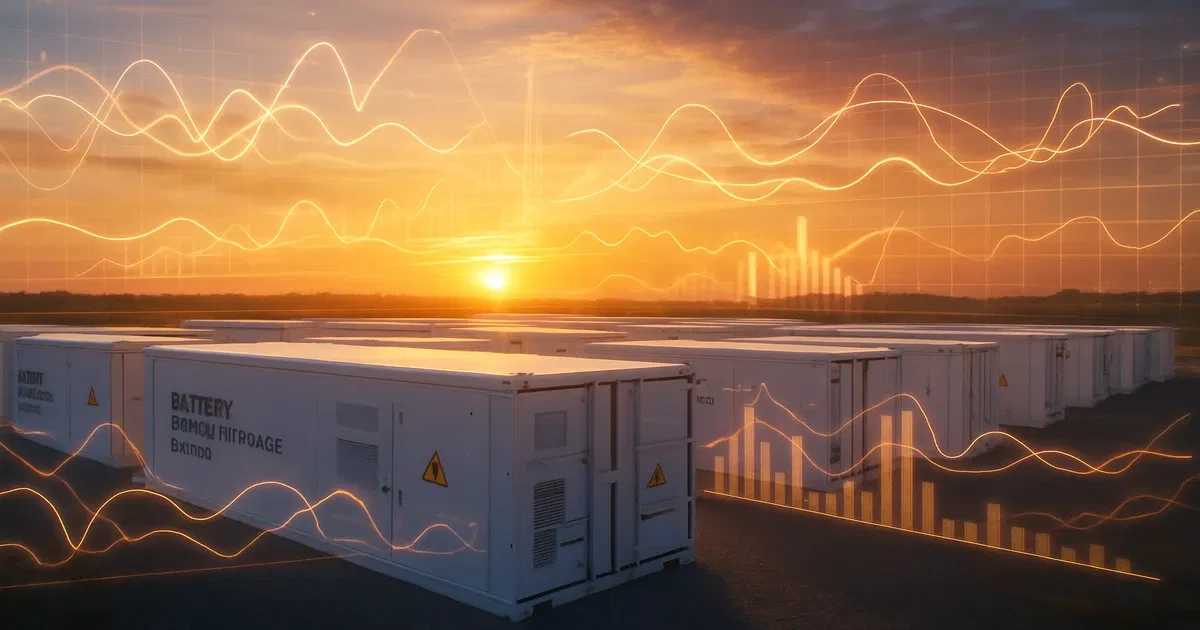
Energy prices change constantly, sometimes by the hour. What if you could buy electricity when it’s cheap and use it when it’s expensive? That’s the basic idea behind energy arbitrage. It’s not financial trading; it’s strategic energy management by storing power during off-peak hours and releasing it when demand spikes. Companies and utilities can reduce costs and improve grid stability. Advanced storage modeling helps plan and execute this process efficiently. As an energy solutions provider, BOS Power develops technologies that make such intelligent energy use both practical and reliable.
What Is Energy Arbitrage?
It is the process of capturing value from fluctuating electricity prices. It involves charging an energy storage system when electricity prices are low and discharging it when prices rise. The difference in cost between these times generates savings, or in some cases, profit.
This concept plays a crucial role in modern grids, especially with the growing integration of renewable energy sources like solar and wind, which can create periods of both surplus and scarcity.
Key Concepts to Understand:
- Charge and Discharge Cycles: When to store and when to release energy.
- Market Pricing Signals: Understanding how tariffs and spot prices change throughout the day.
- Storage Duration: The time batteries can hold energy before discharge.
- System Efficiency: Accounting for energy losses in conversion and storage.
- Forecasting Models: Predicting demand and renewable generation patterns.
The smarter the model, the more accurately energy operators can respond to real-time conditions and maximize returns.
How Storage Modeling Works
Storage modeling uses data-driven simulations to determine the optimal way to operate an energy storage system within a dynamic power grid. These models consider variables like market prices, load forecasts, battery degradation, and weather patterns.
Here’s what a typical modeling process includes:
- Data Collection: Historical and predictive data from power markets and generation systems.
- Scenario Analysis: Simulating multiple charging and discharging strategies.
- Optimization Algorithms: Calculating the most profitable or efficient paths.
- System Constraints: Factoring in technical limits such as battery life or inverter capacity.
- Implementation Feedback: Continuously refining the model based on real-world results.
Why Energy Arbitrage Matters in Renewable Systems
As renewable energy grows, the need for balancing supply and demand becomes critical. Solar panels, for instance, produce most of their energy during midday when demand is low. Without storage, much of that power goes unused.
Energy arbitrage helps solve this problem by enabling renewable power to be stored and released exactly when it’s needed most.
Key Benefits:
- Cost Reduction: Uses low-cost electricity during off-peak hours.
- Peak Shaving: Reduces the load on power grids during high-demand periods.
- Renewable Energy Microgrids Integration: Supports grid stability by storing excess green energy.
- Emission Reduction: Decreases reliance on fossil-fuel backup generation.
- Profit Opportunities: Allows participation in energy markets and demand response programs.
Applications of Storage Modeling
Storage modeling is being applied across sectors, from utilities to commercial facilities and microgrids:
- Utility Operators: Plan storage deployment and manage demand across regions.
- Industrial Facilities: Offset peak tariffs by optimizing on-site battery use.
- Microgrids: Balance local renewable generation with storage for energy independence.
- Renewable Developers: Evaluate project economics and payback periods.
- Grid Planners: Use models to forecast storage requirements for long-term resilience.
Looking Ahead
The combination of advanced data analytics, intelligent control systems, and modular battery storage is transforming how the world manages power. As these technologies evolve, energy arbitrage will play a major role in stabilizing renewable-heavy grids and lowering costs for consumers.
BOS Power continues to contribute to this shift by providing high-performance inverters, control systems, and integration solutions that support smarter, cleaner, and more flexible energy use.
Conclusion
The energy market is no longer about generation alone. It’s about timing. Storage modeling for energy arbitrage allows us to make energy smarter, shifting from passive consumption to active optimization. With the right models, renewable energy becomes not just sustainable, but strategically powerful, shaping the way we produce, store, and use electricity for decades to come.
