
Blogs
What Are Surge Protectors and Why Do You Need Them?

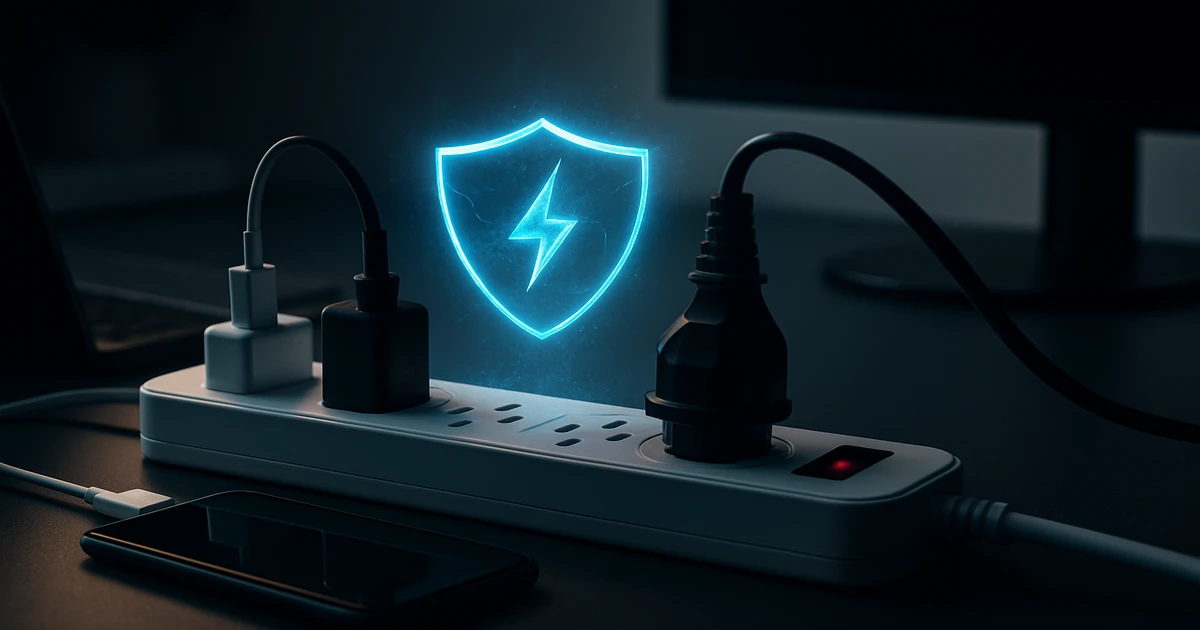
Every piece of modern equipment, from computers to industrial machinery, depends on stable electricity to perform properly. But the power we receive isn’t always stable. Lightning strikes, grid failures, and sudden switching surges can send voltage spikes racing through circuits in milliseconds. That’s where surge protectors come in. These compact yet powerful devices act as your system’s first line of defense, ensuring that unpredictable power doesn’t damage sensitive electronics or disrupt operations.
What Is a Surge Protector?
A surge protector is an electrical safety device designed to block or limit excessive voltage that can enter connected systems. It detects sudden spikes in power and redirects that excess energy safely to the ground, keeping your equipment protected from harm.
While the term is often associated with household power strips, surge protectors are essential in much larger applications, too. Data centers, manufacturing plants, hospitals, and renewable energy installations all depend on them to maintain uptime and protect expensive assets.
Surge protectors are particularly valuable in facilities where precision and reliability are non-negotiable, areas where companies like BOS Power design and implement complete energy systems that depend on stable voltage regulation and protection.
Why Power Surges Happen
Power surges are more common than most realize, and they can originate from both external and internal sources.
Common Causes Include:
- Lightning Strikes: Direct or nearby strikes induce massive voltage spikes through power lines.
- Utility Switching: Grid maintenance or rerouting can cause short-lived voltage fluctuations.
- Heavy Equipment Start-Up: Motors and large industrial machinery draw sudden bursts of current that create internal surges.
- Faulty Wiring: Poor grounding or loose connections can cause irregular power flow.
- Renewable Energy Inputs: Rapid changes in solar or wind output can occasionally destabilize voltage in hybrid systems.
While most surges last for less than a second, their impact can be devastating, degrading circuits, reducing equipment lifespan, and causing data loss or system shutdowns.
How Surge Protectors Work
At their core, surge protectors are simple but effective. They detect voltage levels that exceed the system’s threshold and immediately divert excess current away from critical components.
Key components typically include:
- Metal Oxide Varistors (MOVs): React almost instantly to absorb excess voltage.
- Gas Discharge Tubes: Offer additional protection against large transient surges.
- Filter Circuits: Smooth out smaller irregularities for cleaner power delivery.
- Indicator Systems: Signal when protection components are worn or need replacement.
This automatic, split-second action is what allows a surge protector to prevent catastrophic failures without any manual intervention.
Types of Surge Protectors
Different applications demand different levels of surge protection:
- Point-of-Use Protectors: Compact units for computers, servers, or office electronics.
- Whole-Building Surge Protection Devices (SPDs): Installed at the service entrance to protect the entire facility.
- Industrial Surge Protectors: Engineered for high-load equipment, test benches, and power electronics systems.
- Renewable Energy Surge Devices: Built for solar and wind setups to handle dynamic voltage shifts.
Choosing the right surge protector depends on the scale of your Redundant Power Supply system and the sensitivity of the connected equipment.
Why You Need Surge Protection
Even a minor power surge can reduce the lifespan of your equipment or cause irreversible damage. When it comes to electrical infrastructure, prevention is far more cost-effective than repair.
Key Benefits of Surge Protectors:
- Protect Expensive Equipment: Prevents costly replacements of electronics and industrial machinery.
- Enhance Safety: Reduces the risk of fires caused by electrical overload.
- Improve Reliability: Keeps operations running smoothly, minimizing unplanned downtime.
- Support Longevity: Extends the usable life of connected devices and systems.
- Enable Compliance: Helps meet industrial electrical safety standards.
That’s why BOS Power emphasizes surge protection as a crucial element of every energy management system, because reliability begins with safety.
Conclusion
In a world where every second of uptime counts, surge protectors play a vital yet often underestimated role. They’re the silent guardians shielding critical infrastructure from unseen electrical hazards. Whether it’s your home network or an entire factory floor, having the right surge protection system in place ensures your investment stays secure, your systems stay online, and your power stays consistent.
