
Blogs
What Is Peak Load and Why Does It Matter?

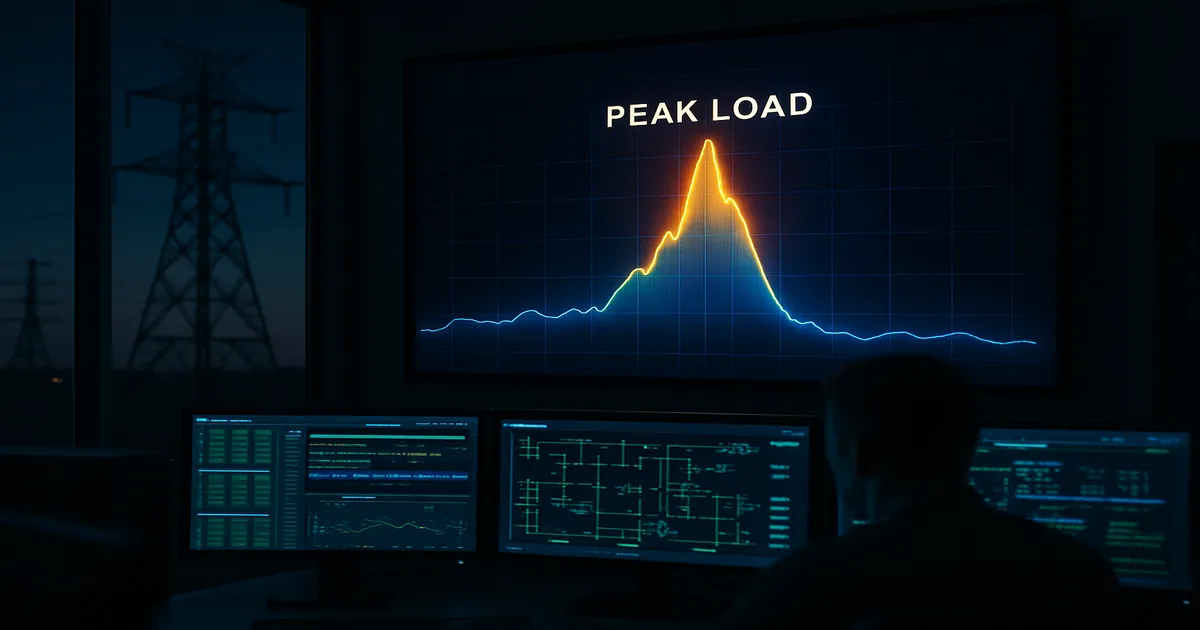
When you use electricity, you are part of a much larger system that must balance supply and demand in real time. Sometimes demand stays steady. Other times it spikes sharply. The highest level of demand during a specific period is known as Peak Load.
You encounter peak load more often than you may realize. It happens when many people or machines use power at the same time. Think of early evenings when homes, offices, and factories are all active. From a power system perspective, these moments define how infrastructure is designed, sized, and operated.
If you manage facilities, energy systems, or industrial operations, understanding peak load helps you make better decisions about capacity, cost, and reliability.
What Exactly Is Peak Load?
It refers to the maximum electrical demand placed on a power system during a defined time period. This could be a day, a month, or even a year. Utilities use peak load values to plan generation, transmission, and distribution capacity.
The challenge is that power systems must always be able to meet peak demand, even if it only occurs for a short time. That means infrastructure is often built to handle those extreme moments, not just average usage.
For you, this matters because peak load influences energy costs, equipment sizing, and system stability. When demand rises too fast or exceeds capacity, the risk of outages and inefficiencies increases. Also read about Transmission vs Distribution Power Lines.
Why Peak Load Matters to You
Peak load affects more than utilities. It directly impacts how much you pay for electricity and how reliable your power supply is.
Many energy tariffs include demand charges based on peak usage. If your facility draws high power during peak periods, your costs rise even if your overall energy consumption stays the same. Managing peak load can help reduce these charges.
From an operational perspective, peak load also stresses equipment. Transformers, inverters, and power electronics work hardest during peak demand. Repeated stress shortens lifespan and increases maintenance needs.
This is why companies working with power solutions from providers like BOS Power often focus on systems designed to handle high-demand scenarios with stability and control.
How Load Affects Power System Design
Power systems are built to survive peak conditions. That includes generation capacity, grid infrastructure, and on-site power equipment. If peak load is underestimated, systems can fail. If it is overestimated, systems become expensive and inefficient.
This balancing act explains why peak load planning is critical in industrial environments. Manufacturing plants, data centers, and energy facilities must account for worst-case demand without overspending on unused capacity.
Understanding your peak load profile allows you to size equipment correctly and plan expansions without risking instability.
Managing Load More Effectively
Peak load does not have to control your system. With the right strategies, you can reduce its impact.
Load shifting spreads energy use across different times. These Energy storage products absorb demand spikes. Smart control systems adjust consumption dynamically. Together, these approaches help flatten demand curves and reduce strain.
When peak load is managed, your system becomes more predictable. Costs stabilize. Equipment lasts longer. Reliability improves.
Power conversion and control technologies developed by companies such as BOS Power support these strategies by enabling precise monitoring and responsive energy flow.
Why Peak Load Awareness Is Essential
Ignoring Peak Load can lead to higher costs and lower reliability. Understanding it gives you control. You can plan smarter, operate more efficiently, and protect your infrastructure.
If you want to improve system performance and reduce unnecessary stress on your power setup, start by evaluating your Peak Load patterns. To explore solutions that support high-demand energy environments, visit BOS Power and learn how modern power systems help you stay ahead of peak demand.
