
Blogs
What are the Electrical Safety Precautions?

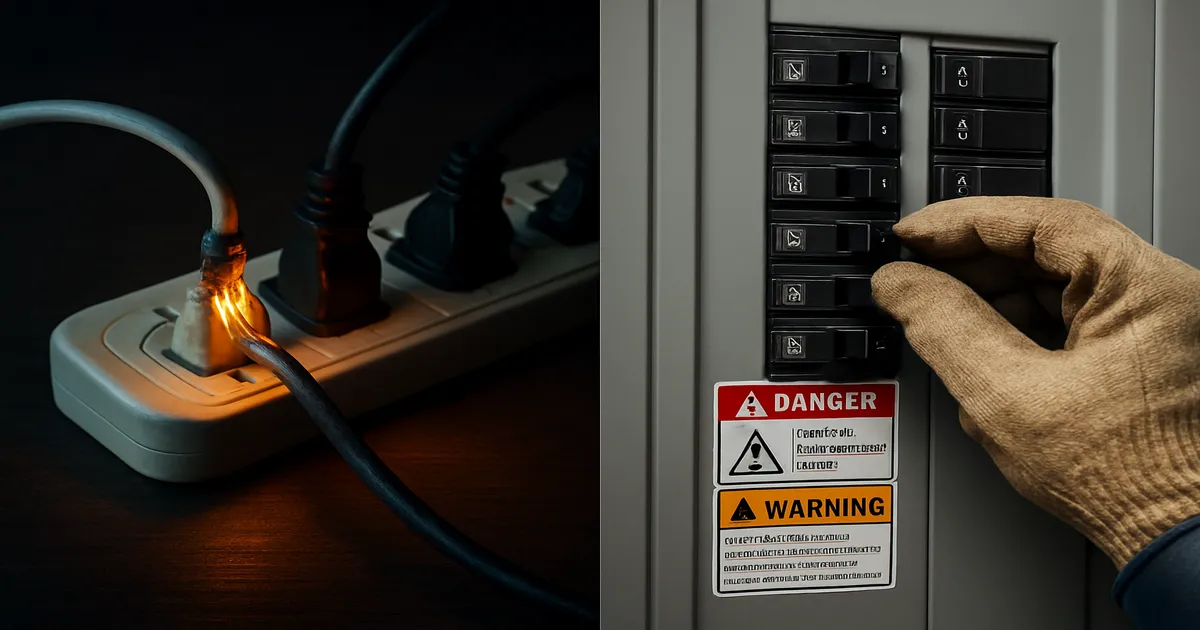
Electricity makes modern life possible, but it can also be dangerous when handled carelessly. Whether you are dealing with a home panel, an industrial system, or electrical equipment in a facility, safety is not a box to check at the end. It is the first step.
That is why Electrical Safety Precautions matter. They protect you, your team, and your equipment. They also reduce the chance of fire, shock, arc flash, and unplanned downtime. When you understand the basics and follow them consistently, you make every environment safer.
What Electrical Safety Precautions Really Mean
They are practical actions and rules designed to reduce the risk of injury and damage when working with electrical systems. Some precautions are about behavior, such as not working on live circuits unless properly trained and equipped. Others are about systems, such as using correct grounding, protective devices, and proper enclosures.
The goal is not to make work slower. The goal is to make work predictable and safe. Electrical hazards can appear quickly. They can also be invisible until something fails. A careful approach helps you avoid surprises.
The Most Common Electrical Risks You Should Take Seriously
You do not need to be an engineer to understand the major risks. If you know what to watch for, you can prevent many incidents before they happen.
Shock is one of the most common dangers. It occurs when your body becomes part of an electrical path. Even lower voltages can be dangerous in wet environments or when contact lasts longer than expected.
Arc flash is another major risk, especially in industrial settings. It can occur when electrical energy suddenly discharges through the air. It produces extreme heat, pressure, and bright light. It can cause power surges, severe burns and equipment damage in seconds.
Electrical fires are also a serious concern. Loose connections, overloaded circuits, and damaged insulation can generate heat and ignite surrounding materials. This is why Electrical Safety Precautions must include both personal safety and equipment integrity.
How You Can Apply Electrical Safety Precautions in Real Life
Start with the basics. If you are not trained to work on live electrical systems, you should not attempt it. Turn off the power when possible and confirm it is off before touching anything. Even when power is off, stored energy may remain in capacitors or connected systems. This is why verification is important.
You should also pay attention to tools and protective equipment. Insulated tools, proper gloves, and protective eyewear help reduce risk. Clear labeling and organized panels also reduce mistakes. When systems are messy, errors become more likely.
Another part of Electrical Safety Precautions is planning. You should know what you are working on, what voltage levels are involved, and what could go wrong. If you take a moment to plan before you start, you reduce the chance of rushed decisions later.
Why Electrical Safety Matters for System Reliability
Electrical safety is not only about protecting people. It protects equipment too. Safe systems tend to be stable systems. When you follow proper precautions, you reduce overload, reduce faults, and prevent damage that leads to downtime.
In industrial and energy environments, reliability depends on controlled power and safe design. Power conversion systems, frequency conversion, and energy storage setups all require proper protection and safety practices to operate consistently.
This is why power-focused companies like BOS Power emphasize stability, protection, and safe operation when designing solutions for demanding environments.
Building a Strong Safety Culture
The most effective safety improvements come from consistency. You do not want safety to depend on who is on shift. You want it built into routine behavior.
When these precautions become habits, your workplace becomes safer and your systems more reliable. You prevent avoidable failures and keep operations running smoothly.
Conclusion
Electrical Safety Precautions are the foundation of safe and reliable power use. They protect you from shock, arc flash, and fire. They also protect the equipment you depend on every day.
If you want stronger electrical reliability and better long-term system performance, start by reinforcing your safety approach and reviewing your protection setup. For robust power solutions designed with stable and safe operation in mind, visit BOS Power and explore technologies built for high-demand environments.
